
The Allure of Gambling: What Drives Players?
The initial attraction of casino games often stems from the thrill of risk and reward. Many players are drawn to the excitement of potentially winning substantial sums of money with just a small wager, especially at a fast withdrawal online casino australia where timely payouts can enhance the overall experience. This psychological phenomenon is rooted in the concept of variable rewards, where payouts are unpredictable. Such unpredictability can create a sense of hope and excitement, leading players to engage more intensely in the gaming experience, often disregarding rational assessments of their chances of winning.
Moreover, the ambiance of casinos is meticulously crafted to enhance this allure. Bright lights, vivid colors, and lively sounds create an immersive environment that stimulates the senses and heightens emotional responses. This sensory overload often helps players lose track of time and money spent, which can encourage continued play. The combination of visual and auditory stimuli is designed to keep players engaged while creating an emotional rollercoaster that can be both exhilarating and addictive.
Additionally, social interaction plays a significant role in the attraction of casino games. Many players enjoy the camaraderie that comes with gambling in a communal environment. The shared experience of winning or losing can foster a sense of belonging and bring people together, which is particularly appealing for those who enjoy engaging with others. This social aspect not only enhances the overall enjoyment of the gaming experience but also contributes to the desire to return to the casino.
The Role of Cognitive Biases in Gambling
Cognitive biases are systematic patterns of deviation from norm or rationality in judgment, and they can profoundly influence gambling behavior. One common bias is the illusion of control, where players believe they can influence the outcome of games based on their actions and decisions. For instance, in games like blackjack, players may think that their strategy or skill will improve their odds, despite the randomness inherent in the game. This belief can lead to overconfidence and increased betting, even in the face of poor odds.
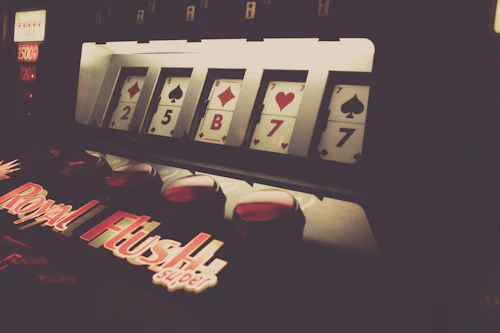
Another prevalent cognitive bias is the gambler’s fallacy, which is the misconception that past events influence future outcomes in random games. A player might believe that because a certain number has not appeared in a slot machine for a while, it is “due” to appear soon. This fallacy can lead to misguided betting strategies and a decreased ability to recognize the true probability of winning, contributing to continued play despite losses.
Furthermore, many players are susceptible to confirmation bias, where they focus on information that confirms their preexisting beliefs about gambling while ignoring contradictory evidence. For instance, a player might remember their wins more vividly than their losses, reinforcing the idea that they are luckier than they actually are. This bias can perpetuate gambling behaviors and make it challenging for individuals to acknowledge their overall performance realistically.
The Impact of Emotion on Gambling Decisions
Emotions play a crucial role in the decisions made during gambling, often overpowering rational thought. The excitement and adrenaline rush of winning can create a euphoric feeling that compels players to continue betting. Conversely, losses can lead to feelings of desperation and the desire to chase losses, which often results in even greater financial loss. This emotional rollercoaster can create a cycle of gambling behavior that is difficult to break, as players seek to replicate the high of a win or offset the pain of a loss.
Moreover, the interplay of emotions is not just limited to winning and losing; it also involves anticipation and suspense. The buildup to a potential win can be thrilling, regardless of the outcome. For example, the anticipation felt while a roulette wheel is spinning can be just as intoxicating as actually winning. This emotional mechanism is sometimes exploited by casinos, which create scenarios that maximize emotional engagement, thus driving players to spend more time and money.
Furthermore, stress and external life pressures can also influence gambling behavior. Individuals may turn to gambling as a form of escape, seeking solace in the transient highs of winning and the distraction from other problems. This can lead to harmful patterns of behavior, where gambling becomes a coping mechanism rather than a leisurely activity. Understanding the emotional aspects of gambling can help individuals recognize unhealthy patterns and seek help if necessary.
The Strategies Used by Casinos to Enhance Engagement
Casinos employ a range of psychological strategies to enhance player engagement and maximize profits. One key strategy is the use of loyalty programs, which reward players for their continued patronage. These programs tap into the principles of behavioral psychology, encouraging players to return to the casino in pursuit of rewards and incentives. By creating a sense of loyalty, casinos can foster long-term gambling habits among their patrons.

Another tactic involves the architecture and layout of casinos themselves. The design is often intentional, with no windows or clocks, creating an environment that distorts time perception. By disorienting players, casinos encourage longer gambling sessions and increased spending. Additionally, many gaming machines are positioned in clusters to create a sense of community, thus enhancing the social and competitive aspects of gambling.
Furthermore, casinos utilize marketing strategies that appeal to emotions and desires. The imagery and messaging often highlight the thrill of winning and the glamorous lifestyle associated with gambling. Advertisements may focus on the excitement of a jackpot or the lavish experiences that accompany a successful gambling session, effectively drawing in potential players. This strategic approach not only attracts new customers but also reinforces existing players’ motivations to continue gambling.
Understanding Responsible Gambling and Resources
As the psychological dynamics of gambling become increasingly recognized, the importance of responsible gambling practices is paramount. Understanding the psychological triggers that lead to compulsive gambling can help individuals make informed choices about their participation in casino games. Many places now implement measures that promote responsible gambling, such as setting spending limits and encouraging self-exclusion for those who identify problematic behaviors.
Moreover, numerous resources are available to assist individuals struggling with gambling addiction. Support groups, counseling services, and educational materials can provide valuable guidance for those seeking help. By fostering awareness of the psychological factors at play in gambling, players can better navigate their experiences and mitigate risks associated with excessive gambling.
Ultimately, promoting responsible gambling behavior requires a collaborative effort from both casinos and players. Casinos should continue to prioritize ethical practices and ensure they provide players with the necessary tools to engage responsibly. By understanding the psychological elements at work and encouraging open discussions about gambling behaviors, a healthier gaming environment can be cultivated, benefiting both players and the industry at large.


